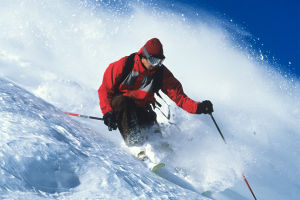
You've planned your next big adventure—whether it's climbing a steep peak, paddling through rapid waters, or biking miles of rugged terrain. But there's a hidden factor that can make or break your performance: nutrition.
Extreme athletes push their bodies to the limits, and without proper fuel, even the strongest training won't be enough.
Understanding Your Energy Needs
Adventure and extreme sports demand both endurance and strength. Your body burns through carbohydrates, proteins, and lipids at a much higher rate than during everyday activity. It's not just about eating more—it's about eating smart. Carbohydrates act as the primary fuel, providing quick energy bursts during high-intensity movements. Proteins help repair muscles stressed by repeated exertion, while healthy lipids support long-term endurance, keeping energy levels stable during prolonged activities.
Pre-Adventure Fuel
1. Timing Matters: Eat a balanced meal 2–3 hours before your activity. Include complex carbohydrates like oats, whole grains, or quinoa for sustained energy. Pair with a moderate protein source and a small amount of healthy lipid.
2. Hydration First: Water intake before the activity is crucial. Dehydration can severely impact focus, coordination, and stamina. Consider a small electrolyte drink if your adventure is set in hot or humid conditions. According to the American College of Sports Medicine, staying well-hydrated before any physical activity is essential, as dehydration can impair focus, coordination, and endurance. In hot or humid conditions, an electrolyte drink may further help maintain fluid balance and support performance.
3. Avoid Heavy Foods: Foods high in fiber or rich sauces may cause digestive discomfort mid-activity. Stick to easily digestible meals that won't weigh you down.
During the Adventure
Extreme activities often stretch over hours, making mid-action nutrition essential.
1. Energy Snacks: Portable options like dried fruit, nut mixes, or specialized energy bars supply a quick carbohydrate boost when energy dips.
2. Electrolyte Balance: Sweating during intense effort depletes sodium, potassium, and magnesium. Drinking fluids containing electrolytes helps maintain muscle function and prevents cramps.
3. Small, Frequent Intake: Instead of one large snack, eat smaller portions consistently. This keeps blood sugar levels steady and prevents sudden fatigue. According to the American Diabetes Association and nutrition expert Marion Nestle, PhD, consuming smaller, more frequent snacks can help maintain steady blood sugar levels, preventing sudden fatigue and supporting consistent energy throughout the day.
Post-Adventure Recovery
Recovery isn't just resting; it's refueling the body for future performance.
1. Protein for Repair: Consume a protein-rich snack or meal within an hour of finishing. This helps muscles recover and reduces soreness. Options include plant-based protein shakes, legumes, or dairy alternatives.
2. Replenish Carbs: Your body's glycogen stores are depleted after extended activity. Include whole grains, starchy vegetables, or fruits to restore energy.
3. Rehydrate: Continue drinking water and consider a light electrolyte mix. Rehydration aids in cellular repair and keeps joints and muscles performing optimally for the next challenge.
Special Considerations for Extreme Conditions
Adventures at high altitude, extreme cold, or intense heat bring extra nutritional demands. Cold environments increase calorie needs to maintain body temperature, while high altitudes may suppress appetite but require extra hydration and iron-rich foods. Planning meals and snacks specifically for environmental conditions ensures your body can meet the unexpected challenges of extreme sports.
Listening to Your Body
Every athlete responds differently to food. Trial and error during training is vital. Notice how your body reacts to different pre-adventure meals, mid-activity snacks, and recovery strategies. Track energy levels, endurance, and recovery speed to fine-tune your personal nutrition plan. Being aware of your body's signals allows you to adjust quickly in real-world adventure settings.
Supplements and Practical Tips
Supplements can fill nutritional gaps but shouldn't replace whole foods. Vitamins, minerals, or protein powders may support recovery, especially when access to fresh foods is limited. Practical tips include packing snacks that won't spoil, planning meals around activity timing, and preparing hydration strategies before heading out. Proper preparation minimizes risk of fatigue, cramping, or energy crashes during critical moments.
Final Thoughts
Nutrition for adventure and extreme athletes isn't just about staying full—it's about optimizing performance, preventing injury, and recovering effectively. By understanding energy needs, timing meals and snacks strategically, and adapting to environmental challenges, athletes can push limits safely.
Adventure sports are as much a mental challenge as a physical one, and the right nutrition fuels confidence. Eating with intention and awareness transforms your body into a reliable partner for every climb, ride, or paddle. After all, the strongest muscles and sharpest skills can't shine without the fuel to sustain them.