You've probably heard about acid rain, but have you ever wondered how it actually forms and why it's so dangerous?
It's not just a bad thing for the environment—it's a problem that affects us all, from the air we breathe to the water we drink.
In this article, let's break down what acid rain is, how it forms, and the real-world impact it has on nature, buildings, and human health.
What Is Acid Rain?
Acid rain isn't just rain that's a little sour—it's precipitation that's more acidic than normal. The term includes not just rain, but also snow, fog, and even dust. Normally, rain has a pH level of around 5.6, slightly acidic due to carbon dioxide in the atmosphere. But when pollutants like sulfur dioxide (SO2) and nitrogen oxides (NOx) mix with water in the air, they create sulfuric acid and nitric acid, lowering the pH to 4.0 or even lower. This makes the rain more acidic and harmful.
How Does Acid Rain Form?
Acid rain doesn't just “happen” naturally; it's caused by human activity. Here's how the process works in simple steps:
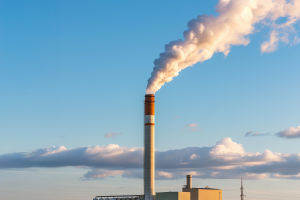
1. Burning of Fossil Fuels: When we burn coal, oil, or gas, factories, power plants, and vehicles release sulfur dioxide and nitrogen oxides into the air.
2. Pollutants in the Air: These gases react with water vapor, oxygen, and other chemicals in the atmosphere. This process creates sulfuric acid and nitric acid.
3. Rain or Snow: The acids mix with water droplets in the air and fall to Earth as acid rain, snow, or fog.
This process is especially common in urban and industrial areas where fossil fuels are burned in large quantities.
Environmental Damage from Acid Rain
It's easy to think that acid rain is just an annoying inconvenience, but the truth is, its impact on the environment is severe.
1. Soil Damage: Acid rain leaches nutrients from the soil, making it harder for plants to grow. This affects entire ecosystems, from forests to grasslands, leading to weaker plants and reduced biodiversity.
2. Water Pollution: When acid rain falls into rivers, lakes, and streams, it lowers the pH of the water. Fish and other aquatic life are incredibly sensitive to these changes. Some species can't survive when the water becomes too acidic, leading to the collapse of local fisheries and a loss of biodiversity.
3. Forest Decline: Many forests, particularly in mountainous areas, are at risk from acid rain. The trees' leaves, needles, and bark are damaged by the acids, weakening the trees and making them more susceptible to disease, extreme weather, and even death.
Impact on Buildings and Infrastructure
Acid rain doesn't just harm nature—it also erodes man-made structures.
1. Building Materials: Acid rain can corrode building materials like limestone, marble, and concrete. The acids react with the minerals in these materials, causing them to break down over time. This can lead to costly repairs for buildings, monuments, and statues, as seen with the deterioration of the Parthenon in Athens.
2. Transportation Infrastructure: Roads, bridges, and vehicles are also at risk. Acid rain can cause metal to rust and erode protective coatings, weakening infrastructure and leading to safety concerns.
How Does Acid Rain Affect Human Health?
You might not immediately think of acid rain as a health issue, but it can affect people in a number of ways:
1. Air Quality: The pollutants that cause acid rain, like sulfur dioxide and nitrogen oxides, are also harmful to human health when inhaled. These chemicals can irritate the respiratory system, triggering asthma, bronchitis, and other lung diseases.
2. Water Contamination: Acid rain can lower the pH of drinking water sources, making the water unsafe to drink. This is especially concerning in areas where water treatment systems aren't designed to handle these changes in pH.
Solutions: What Can We Do About It?
The good news is that acid rain can be prevented, but it requires collective action. Here are a few key solutions:
1. Reduce Emissions: The primary way to combat acid rain is to cut down on sulfur dioxide and nitrogen oxide emissions. This can be done by using cleaner energy sources, improving energy efficiency, and upgrading power plants with pollution control technologies like scrubbers.
2. Switch to Cleaner Transportation: Reducing vehicle emissions is another big step. Electric vehicles, cleaner fuels, and better fuel efficiency standards can help lower the levels of harmful gases released into the air.
3. Regulation and Monitoring: Governments play a key role in reducing acid rain through environmental regulations and policies. For example, the Clean Air Act in the United States has been instrumental in cutting sulfur emissions from power plants.
4. Public Awareness: Educating the public about the importance of reducing their carbon footprint—whether through energy conservation or supporting policies that protect the environment—can lead to lasting change.
Conclusion: A Collective Effort for Change
Acid rain may seem like a distant environmental issue, but its effects are all around us, from the trees in our parks to the buildings we live and work in. Reducing acid rain requires changes in how we produce and consume energy, and it starts with understanding the science behind it. Every little step we take—whether it's reducing emissions, supporting green technologies, or simply spreading awareness—helps. Together, we can protect our environment and build a cleaner, healthier world for future generations.