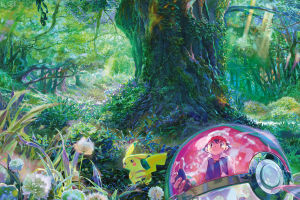
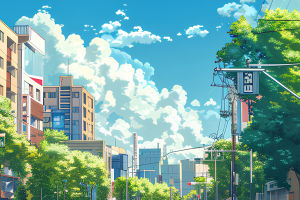
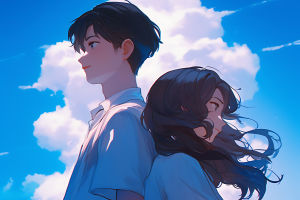
Have you ever found yourself lost in the atmosphere of your favorite anime—the sweeping skylines, tranquil forests, or bustling cities?
Let's dive into the hidden dimension that makes these worlds feel so real: the art of the background!
The Unsung Hero: Background Art's Essential Role
While characters and storylines captivate us, background art quietly lays the foundation for everything we see and feel. These intricately crafted environments accomplish much more than framing the action—they shape the very heart and soul of every scene. Lush countryside, neon-lit downtowns, and sprawling fantasy realms act as storytellers in their own right, conjuring emotions, setting the tone, and enhancing narrative depth in ways that dialogue alone cannot achieve. In influential anime like "Akira" and "Ghost in the Shell," backgrounds make the world feel lived-in, often functioning as secondary characters whose presence looms large over the plot.
Storytelling Through Scenery
Backgrounds are not merely pretty pictures; they actively participate in storytelling. Subtle cues from the environment—such as weathered buildings, scattered belongings, or shifting light—add texture to a scene, revealing details about characters and settings before a word is even spoken. For instance, the gentle, dreamlike landscapes in "My Neighbor Totoro" evoke nostalgia and innocence, while the war-torn cityscapes of other series suggest tension and struggle.
Guiding Attention and Symbolism
Great background art guides the viewer's attention and can even hint at plot developments through the use of motifs or visual symbols. In "Neon Genesis Evangelion," bleak backgrounds mirror the show's underlying existential moods. A skilled use of composition and perspective pulls the viewer into the narrative, making them feel right alongside the characters.
Atmosphere and Emotion: Crafting Believable Worlds
Atmosphere is where background art truly shines. Consider the effect of a radiant sunrise over a quiet village, or an eerie mist rolling through an abandoned school. Colors, lighting, and careful attention to detail help convey mood—cheerful, ominous, peaceful, or chaotic. Even basic textural details like the grain of wood or the shimmer of water make anime worlds tangible in the viewer's imagination.
Emotional Resonance and World-Building
The emotional resonance and world-building power of backgrounds are what make moments memorable. The contrast between rural and urban environments in films like "Your Name" isn't just for visual variety; it underlines the characters' different lives and emotional journeys.
Realism Versus Stylization: Artistic Choices
Anime backgrounds range from hyper-detailed realism to stylized simplicity, and the choice often reflects a story's themes or character perspectives. Shows may use real-world references, digitally altered photographs, or entirely imaginative landscapes. In recent years, digital tools and sophisticated painting techniques have allowed for greater experimentation, blending fantastical elements with authentic geographic details. Directors and background artists carefully balance detail and abstraction—too much realism can be overwhelming, while too little risks breaking the viewer's immersion.
Interactive Backgrounds: More Than a Stage
Backgrounds aren't static; they interact with characters and plot. A bustling marketplace or a dense forest does more than host the action—it can drive the story forward, introduce obstacles, or reflect a character's mindset. Details such as a cluttered home or abandoned playground tell us about the people who inhabit those spaces, giving more depth to both world and characters.
Real Locations and Anime Pilgrimage
In some anime, real locations inspire backgrounds, fueling a phenomenon called "anime pilgrimage," where fans visit places depicted in their favorite stories. This connection between reality and the anime world further bridges imagination and experience.
The Collaborative Art of World-Building
Creating remarkable backgrounds is a collaborative process involving concept artists, background painters, directors, and sometimes even outside studios specializing in this field. For every environment, artists design layouts, determine lighting, and ensure harmony with the character animation. Their choices, from broad color schemes to minute details, profoundly affect the overall feel of the anime.
Manual Skill Meets Digital Innovation
Studios like Studio Pablo devote immense effort to blending manual artistry with advanced digital techniques, underscoring the importance of backgrounds as more than technical afterthoughts—they're foundational to the anime's appeal and atmosphere.
Inviting Viewers Into New Worlds
Next time you watch anime, try focusing on what's behind your favorite characters. Notice how scenery builds mood, deepens story, and sometimes even steals the show with its artistry. What are some backgrounds that have transported you to another world, or left a lasting impression on your imagination? Share your experience—background art is everywhere, inviting us to step inside the magic of anime!
Whether you're a longtime anime fan or just beginning to explore its colorful landscapes, remember: the next world you fall in love with started as a blank canvas, brought to life by the creativity, passion, and skill of background artists.