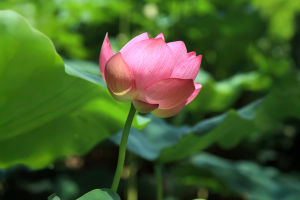
It's early spring, and the chill of winter is still in the air, yet there they are—little bursts of color peeking through the earth, signaling the start of a new season.
Crocus flowers, with their vibrant purples, yellows, and whites, are often the first to greet us after a long, cold winter. These hardy little blooms not only brighten up gardens but also carry a deep symbolic meaning. Let's dive into the world of crocus flowers and discover what makes them so special.
1. The Beauty of Crocus Flowers
Crocus flowers are known for their striking, cup-shaped blooms that burst forth in early spring, often even before the snow has fully melted. With their wide range of colors, from deep purple to golden yellow, these flowers add an instant pop of color to any garden. Their delicate petals and tall, slender stems make them stand out as they rise from the ground, catching the sunlight and turning everyday landscapes into something magical.
What makes crocus flowers particularly beautiful is their ability to bloom in the colder months, offering a refreshing contrast to the bare branches and grey skies of winter. They can also grow in clusters, creating a stunning effect when planted in groups. The contrast of crocus flowers against the brown, earthy tones of the soil creates a breathtaking scene.
Tip: Plant crocus bulbs in clusters or drifts for a more natural, wildflower look in your garden.
2. Growing Crocus Flowers: Simple Steps
Crocus flowers are relatively easy to grow and require minimal care, making them an excellent choice for beginner gardeners. They thrive in well-drained soil and enjoy plenty of sunlight. The first step to growing these vibrant flowers is planting their bulbs in the fall, about 3-4 inches deep into the ground. Crocus bulbs need a cold period to bloom, which is why planting them in the fall is essential for their spring show.
Once planted, crocus flowers require little attention. They're quite drought-tolerant, but regular watering during dry spells will help them grow strong. After blooming, allow the foliage to remain for a few weeks. The leaves continue to photosynthesize and nourish the bulbs for the next season, so it's best not to cut them back until they've naturally yellowed and died off.
Tip: Crocus flowers can be planted in pots, rock gardens, or as border plants to brighten up any space.
3. The Symbolism of Crocus Flowers
Beyond their physical beauty, crocus flowers carry a rich symbolism that resonates with many people. Historically, crocus flowers have been associated with renewal, hope, and new beginnings. This symbolism is especially meaningful when crocus blooms appear after the long, dark winter months, signaling that spring—and with it, new possibilities—is on the way.
In some cultures, crocus flowers are seen as a symbol of joy and cheerfulness, often linked to the arrival of spring festivals and celebrations. The crocus' ability to bloom early, despite the cold, has also made it a symbol of perseverance and strength in the face of adversity. It reminds us that even after the hardest times, beauty and growth are possible.
Tip: Gift a bouquet of crocus flowers to someone starting a new chapter in their life, as a symbol of encouragement and fresh beginnings.
4. Caring for Crocus Flowers
Caring for crocus flowers is relatively straightforward, but there are a few key things to keep in mind to ensure they thrive. As mentioned, crocus flowers prefer well-drained soil and plenty of sunlight. It's important not to plant them in overly damp soil, as this can lead to bulb rot.
Mulching around the plants can help protect the bulbs during extreme cold weather, especially in areas with harsh winters. After the flowers have bloomed and the leaves start to yellow, you can leave them undisturbed to allow the plant to replenish its energy for next year. Avoid digging up the bulbs unless you need to divide them for propagation.
Tip: Crocus flowers often naturalize over time, meaning they will spread and multiply on their own. Just be patient, and soon your garden will be filled with even more blooms.
5. Crocus Flowers in Garden Design
Crocus flowers can be a wonderful addition to any garden design, thanks to their versatility and early bloom time. They pair well with other spring flowers like daffodils, hyacinths, and tulips, creating a beautiful mix of colors and textures. Crocus flowers can be planted along pathways, in garden beds, or even in containers on patios or balconies.
These flowers work especially well in areas that need an early-season boost of color. Imagine a cluster of purple crocus flowers peeking out from under a tree or along the edge of a garden bed—it's a sight that instantly lifts the spirit. Crocus flowers are also ideal for rock gardens or naturalized areas where you want a more informal, wildflower-like look.
Tip: Plant crocus bulbs in areas that are easy to view from windows, as their early blooms will be a pleasant surprise after a long winter.
Reflection: A Promise of Spring
Crocus flowers are more than just beautiful blooms—they're a symbol of renewal, strength, and the promise of brighter days ahead. Their ability to bloom early in the spring, often emerging from snow or frosty soil, is a reminder that no matter how harsh the winter, spring will always come. Whether you're a seasoned gardener or a beginner, crocus flowers are a perfect choice to bring a burst of color and hope to your garden.
So, why not add a few crocus bulbs to your garden this fall? By next spring, you'll be greeted by the cheerful colors and vibrant beauty of these timeless flowers, marking the arrival of a new season and a fresh start.