The Allure of Modern Minimalism
When you step into a home designed with a modern minimalist style, you can almost feel the calmness. The space feels open, organized, and relaxed—yet it has all the character it needs. Modern minimalist design is all about clean lines, a neutral color palette, and functional decor that serves a purpose.
But it's not just about reducing clutter; it's about creating an atmosphere that allows the essentials to shine.
If you've ever wondered how to achieve this in your home, it all starts with understanding a few key design principles. Let's take a deep dive into the elements that define modern minimalist style and how you can use them to transform your space.
1. Embrace Simplicity with Clean Lines
One of the most prominent features of modern minimalist design is the use of clean, simple lines. This means furniture, architecture, and even decor should avoid excessive ornamentation. Instead of bold patterns or intricate details, choose items that emphasize form and function. Here's how you can incorporate clean lines into your space:
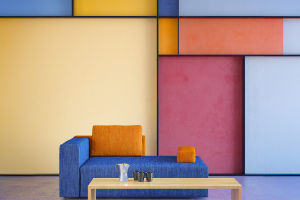
• Furniture: Opt for streamlined furniture with simple silhouettes. For example, choose a sleek sofa with minimalistic legs and avoid heavy carvings or overly intricate designs.
• Architecture: If you're working on a renovation, think about open, airy spaces with large windows and straight lines. Avoid unnecessary room dividers and embrace an open floor plan.
Clean lines create a sense of order and sophistication while keeping the space feeling open and uncluttered.
2. Neutral Color Palette
The foundation of modern minimalist design often starts with neutral tones. Shades of white, gray, black, beige, and even earthy tones can help to create a calm, serene environment. But don't think this means your space has to feel dull or lifeless. The key is balance and texture.
• Walls and Floors: Keep walls neutral with white or light gray paint. For floors, polished concrete, light wood, or simple tiles work beautifully in minimalist spaces.
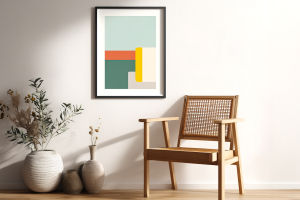
• Accent Colors: While neutrals dominate, you can introduce small pops of color through accessories like throw pillows, vases, or artwork. These accents should still be subtle and not overwhelm the space.
• Textures: Use varied textures, such as a wool rug, linen curtains, or a leather chair, to add depth and interest to the space without introducing bold patterns.
A neutral color palette gives the room a tranquil vibe while allowing other design elements, like furniture and decor, to stand out.
3. Focus on Functionality
In modern minimalist design, every item in the space should serve a practical purpose. This design style rejects clutter, so it's important that furniture and decor are functional while still looking good. Here's how you can focus on function:
• Multifunctional Furniture: In smaller spaces, pieces like sofa beds, storage ottomans, and extendable dining tables are essential. They offer practicality without sacrificing style.
• Smart Storage Solutions: Incorporate hidden storage wherever possible. For example, look for coffee tables with drawers, or install floating shelves to keep things off the floor and neatly tucked away.
• Minimal Decor: Limit decor items to only those that add to the space's purpose. A well-placed plant, a few art pieces, or a statement lamp is enough to give the room character without feeling crowded.
Focusing on function ensures your space remains organized and efficient while still reflecting your personal style.
4. Use Natural Light
Natural light plays a crucial role in modern minimalist design. Light-filled rooms feel expansive and calming, helping the space feel bigger and more inviting. To make the most of natural light, consider these tips:
• Window Treatments: Opt for light, sheer curtains or shades that allow sunlight to filter in. Avoid heavy drapery or thick blinds that block out light.
• Maximize Open Space: In smaller homes, removing large, unnecessary furniture can free up space and make the room feel brighter.
• Reflective Surfaces: Mirrors and glass surfaces reflect light and can help brighten darker corners of the room.
By using natural light, you make the space feel airy and open, which is essential to modern minimalist design.
5. Keep It Open and Uncluttered
A major tenet of modern minimalist design is an open, uncluttered space. This doesn't mean your home has to be empty—just that each item should have a clear purpose and place. Here's how you can achieve this:
• Declutter Regularly: Start by removing excess items. If something doesn't serve a function or add value, it probably doesn't belong in a minimalist space.
• Limit Decor: Rather than filling every nook with knick-knacks, focus on a few select pieces that really resonate with you. For example, a single large artwork or a sculptural plant can add visual interest without overwhelming the space.
• Create Flow: Arrange furniture in a way that allows for easy movement and connection between spaces. Open walkways and keeping traffic flow clear is key.
An open, decluttered space invites calm and ensures that each piece in your home stands out.
6. Incorporate Organic Elements
While modern minimalist design focuses on simplicity, it also leaves room for organic, natural elements that bring warmth and texture. Incorporating materials like wood, stone, or plants can soften the edges of minimalist spaces and create a welcoming atmosphere.
• Wooden Accents: Think wooden coffee tables, side tables, or even exposed wood beams on the ceiling. These elements add a natural touch that complements the otherwise clean lines.
• Indoor Plants: A few well-placed plants can add life and color to the room. Choose plants with simple shapes like succulents, or go for a statement plant like a fiddle-leaf fig tree.
• Natural Materials: Stone countertops, marble tiles, and cotton or linen cushions can make your space feel balanced and inviting.
The organic elements keep the space grounded, making it feel more lived-in and comfortable.
Final Thoughts: Less Is More
Modern minimalist design is all about stripping away the unnecessary to make room for what really matters. It's not about emptiness but about creating a space that feels open, serene, and functional. By embracing clean lines, a neutral color palette, functionality, natural light, and a touch of organic elements, you can create a space that's both stylish and practical. In a world that's often chaotic, a minimalist design offers the perfect escape—a simple, peaceful home to recharge.