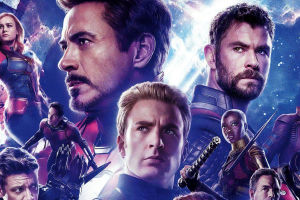
The global box office has witnessed a phenomenon over the past two decades: the rise of superhero films.
From The Dark Knight to Avengers: Endgame, these movies have not only reshaped the landscape of cinema but have also become a cultural obsession.
The question is no longer whether superhero films are successful — it's why they are so successful. Are they simply a reflection of modern cultural tastes, or are they part of a well-oiled commercial strategy? Let's break it down.
The Cultural Phenomenon
Superhero movies are more than just films; they are a mirror of the times. What makes these stories so universally appealing? The answer lies in the core themes of heroism, justice, and the fight between good and evil — concepts deeply rooted in every culture. At a time when the world seems increasingly uncertain, these films offer a kind of escape but also a hope — a chance to see individuals rise above the chaos and fight for a better world.
Modern superhero narratives are particularly appealing because they often reflect the personal struggles and challenges that everyday people face. Characters like Spider-Man, Batman, and Iron Man are not born perfect. They have flaws, doubts, and vulnerabilities. These traits resonate with audiences because they make these superheroes more relatable.
A character like Peter Parker struggles with balancing his life as a student, friend, and superhero — a universal experience many can identify with.
On a broader scale, superhero films often mirror social issues. Black Panther, for instance, explored themes of race, identity, and empowerment, while Wonder Woman challenged gender norms and showcased female strength in a way that had not been done on such a global scale before. In these films, superheroes are not just saving the world—they are reflecting the complexities and changes of the world we live in.
The Commercial Model
While the cultural appeal is undeniable, the rise of superhero films is just as much about business as it is about cultural impact. Marvel Studios and DC Films have created a highly profitable model by making superhero films a multi-layered, interconnected experience. This model, especially popularized by the Marvel Cinematic Universe (MCU), has turned each film into a piece of a larger puzzle, enticing viewers to come back time and time again.
At the heart of this success is the concept of the "shared universe." Instead of standalone films, each superhero movie is connected, with characters and storylines crossing over into one another.
The MCU, for example, began with Iron Man in 2008 and gradually introduced more characters, leading up to monumental ensemble films like The Avengers and Avengers: Infinity Battle. This interconnected world-building gives audiences a reason to keep returning — every new movie is a key that unlocks the next chapter in the narrative. It's not just about the film you're watching; it's about what comes next.
Additionally, the growing trend of franchise filmmaking has ensured that these movies not only thrive but thrive repeatedly. The films are designed with sequels, spin-offs, and merchandise in mind. Superhero movies are not just about the box office receipts from the film itself.
There's also a massive range of branded products — from toys to video games to clothing — which generates additional streams of revenue. The characters and franchises become brands in their own right, with audiences constantly buying into the stories and their associated products.
The Appeal of Escapism
Another key factor behind the success of superhero movies is the deep sense of escapism they provide. In an age where the daily grind can feel overwhelming, superhero films offer audiences the chance to disconnect from the real world and dive into a universe where the stakes are high, and the heroes have the power to fix everything.
It's an easy yet satisfying escape that allows audiences to temporarily forget about their own struggles and embrace a narrative where good ultimately prevails.
This sense of escapism is especially potent during times of crisis or social unrest. Whether it's the rise of an oppressive regime or the destruction of society itself, superhero movies often allow viewers to see the downfall of systems that fail people — but also offer a vision of redemption. In some sense, these films become wish-fulfillment, tapping into collective desires for power, justice, and fairness.
The Enduring Success of Superheroes
The superhero genre, unlike others, shows no signs of slowing down. In fact, it's expanding into new territories — animated features, streaming platforms, and even international adaptations. The Boys and The Umbrella Academy, both successful series, prove that audiences are craving more from the genre, even when it challenges traditional superhero norms.
Moreover, as cultural shifts occur, the genre continues to evolve. In the early 2000s, superhero films were largely male-dominated. Today, we see more diverse characters, such as Captain Marvel, making their mark in a way that was previously unthinkable. These changes are not just a reflection of the industry's progress but also indicative of a more inclusive audience that demands diverse stories.
The Double-Edged Phenomenon
However, it's not all smooth sailing for superhero movies. Some critics argue that the dominance of these films has stifled creativity in Hollywood. With a heavy focus on established franchises, the industry has seen fewer risks taken on original films. The repetitive formula of action-packed set pieces, CGI-heavy battles, and pre-determined character arcs can sometimes feel formulaic.
Furthermore, some people criticize the cultural hegemony of superhero films, suggesting that they have taken over cinema in a way that excludes other genres or types of storytelling.
While superhero films continue to break box-office records, their ubiquity in modern cinema also raises questions about the future of film. Will we continue to see heroes dominate the silver screen, or will the next cultural wave bring a new cinematic revolution?
Conclusion
Superhero films are more than just blockbusters; they represent a cultural shift in cinema and storytelling. With their larger-than-life characters, interconnected universes, and mass appeal, these films offer both an escape and a reflection of our collective ideals. Yet behind their success lies a calculated commercial strategy that uses franchise-building and audience engagement to maximize profits.
Whether we're watching for entertainment, nostalgia, or a desire to see justice prevail, superhero movies have undoubtedly etched themselves into the cultural fabric. But as the genre evolves, one question remains: how long will the superhero wave continue to reign supreme in Hollywood?