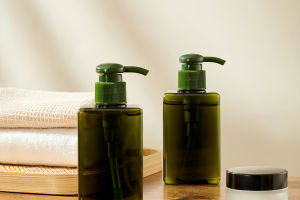
Have you ever wondered if soap can be as effective as shower gel for your daily wash?
The two are often used interchangeably, but there are distinct differences that could influence your choice, depending on your skin type and personal preferences. Let's dive into the details to see if soap should make a comeback in your shower routine.
The Basics: Soap vs Shower Gel
Soap and shower gel are both essential for cleansing your body, but their compositions and effects differ. Soap has been around for centuries, while shower gels are a more modern innovation. The difference lies mainly in their form, ingredients, and how they interact with the skin.
Soap
Soap is made from natural fats and oils, combined with an alkali (usually sodium hydroxide), a process called saponification. The result is a solid bar that lathers when mixed with water. Soap works by breaking down oils and dirt on the skin, helping to wash them away. The key advantage of soap is its simplicity—typically made with fewer ingredients, which can be appealing for those with sensitive skin.
Shower Gel
Shower gel, on the other hand, is a liquid form of body wash that typically contains synthetic detergents and moisturizing ingredients. It's formulated to cleanse without stripping the skin of its natural oils, offering a gentler option for people with dry or sensitive skin. Shower gels often come in various fragrances and skin benefits, like added vitamins, aloe vera, or shea butter.
Pros and Cons: Which Is Better for Your Skin?
Both soap and shower gel have their merits. Let's break down the pros and cons of each to help you decide which is best for your skincare needs.
Soap: Simple and Effective
Pros:
- Natural Ingredients: Many soaps, especially handmade or organic varieties, are free of chemicals and artificial additives. This can be great for people with sensitive skin.
- Sustainability: Solid soaps are generally more eco-friendly as they often come in minimal packaging, reducing plastic waste.
- Effective for Oily Skin: Soap is great at cutting through grease, which makes it ideal for people with oily skin who need a deeper cleanse.
Cons:
- Can Be Drying: Soap can sometimes remove the skin of its natural oils, leading to dryness, particularly for people with already dry or sensitive skin.
- Less Moisturizing: Unlike shower gels, soap doesn't often come with added moisturizers, so it might not be as hydrating.
Shower Gel: Gentle and Moisturizing
Pros:
- Hydrating: Shower gels typically contain moisturizing agents like glycerin, aloe vera, or oils, making them a better choice for those with dry skin.
- Gentler on Sensitive Skin: Because shower gels are more pH-balanced than soap, they're often less harsh on the skin and cause fewer irritations.
- Variety: You'll find shower gels with different scents and skin benefits, from calming lavender to energizing citrus. Plus, some even target specific skin concerns like acne or aging.
Cons:
- Environmental Impact: Shower gels usually come in plastic bottles, which can be less eco-friendly than solid soap bars.
- More Chemicals: Many commercial shower gels contain synthetic detergents, artificial fragrances, and preservatives, which might not be ideal for those with very sensitive or eczema-prone skin.
How to Choose Between Soap and Shower Gel?
Your choice between soap and shower gel ultimately depends on your skin type and what you're looking for in a product. Here are some tips to guide your decision:
1. For Dry Skin: If your skin tends to be on the dry side, opt for shower gel. Look for formulations with added moisturizers like glycerin, shea butter, or vitamin E to keep your skin hydrated.
2. For Oily Skin: If you struggle with excess oil or acne-prone skin, soap may be a better option as it can help break down oils more effectively. Choose a natural soap that won't clog pores but will still cleanse thoroughly.
3. For Sensitive Skin: If your skin is easily irritated, choose a mild, natural soap or a pH-balanced shower gel designed for sensitive skin. Make sure to avoid harsh fragrances or additives.
4. For Convenience: If you're on the go or prefer something that lathers easily, shower gel might be your best bet. It's easier to use in the shower and doesn't leave residue as soap sometimes does.
5. For Eco-Conscious Shoppers: If you want to reduce your environmental footprint, go for bar soap with minimal packaging. Many brands now offer eco-friendly soaps made from sustainable ingredients.
Can Soap Really Replace Shower Gel?
While soap is effective at cleansing, it might not always be as moisturizing as shower gel, especially for those with dry or sensitive skin. If you want a simple, natural solution, soap can definitely replace shower gel—just make sure to follow up with a body lotion or oil to lock in moisture. On the other hand, if you're after a more hydrating, skin-nourishing experience, shower gel could be the better option.
Conclusion: Which One to Choose?
Ultimately, the choice between soap and shower gel comes down to your skin type and preferences. Both have their benefits, and both can be part of a healthy skincare routine. Experiment with different options to find what works best for you. Whether you're cleansing with a traditional soap bar or a luxurious shower gel, remember to choose products that suit your skin's unique needs.