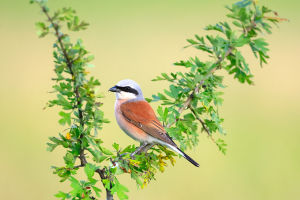
If you've ever watched a hawk circle silently above and then later noticed a robin chirping on a fence, you may have wondered—how can both belong to the same animal group?
Birds are incredibly diverse, and two of the most fascinating groups are raptors and songbirds.
Though they share feathers and flight, their lives are shaped by very different adaptations.
What Makes a Raptor?
Raptors, often called birds of prey, are built for hunting. Their hooked beaks and sharp talons are unmistakable tools for catching and tearing food. Species like hawks, falcons, and eagles rely on keen eyesight, sometimes seeing up to eight times more clearly than humans. Their wings are usually broad and powerful, allowing them to soar high and dive with precision. Every part of their anatomy screams efficiency and strength.
What Defines a Songbird?
Songbirds, on the other hand, belong to the order Passeriformes, which includes robins, finches, sparrows, and warblers. Unlike raptors, they aren't defined by hunting ability but by vocal skill. A unique voice box, called the syrinx, lets them produce complex songs.
These songs help with territory defense and courtship. Most songbirds are smaller, lighter, and adapted for quick flights between trees and bushes. Their lives revolve around communication, not conquest.
Size and Strength
One of the easiest ways to tell raptors from songbirds is size. Raptors are generally larger, with wingspans that can stretch several feet. Their bodies are muscular, built to handle the stress of seizing prey midair. Songbirds, by contrast, are usually small and delicate. While they may not impress with sheer strength, their agility allows them to dart through dense vegetation and escape predators with ease.
Diet and Hunting
Here's where the contrast is sharpest:
1. Raptors – Predatory by nature, they rely on catching live prey. Hawks might seize rodents from open fields, while falcons are known for striking smaller birds in midair.
2. Songbirds – Their diets lean toward seeds, fruits, and insects. Rather than hunting, they forage, often using sharp eyesight and quick movements to find food.
This difference in diet shapes nearly every other part of their behavior and anatomy.
Communication Styles
Raptors don't rely much on song. Their calls are usually short and piercing, meant to signal territory or alarm. A soaring eagle's scream is iconic but simple. Songbirds, however, live in a world of music. Some species can memorize and repeat dozens of tunes, while others improvise on the spot. To them, sound is survival—it attracts mates and keeps rivals away.
Nesting and Family Life
Raptors typically build large nests in high places, using sticks and branches sturdy enough to hold their weight. They invest heavily in raising fewer young, often feeding them directly for weeks. Songbirds build smaller nests, sometimes weaving grass and feathers into intricate cups. Their chicks grow quickly, and parents may raise multiple broods in a single season. These different strategies reflect the balance between strength and numbers.
Flight Styles
The skies reveal another big difference:
1. Raptors – Known for soaring and gliding, they use rising warm air currents to stay aloft with minimal effort. Some can dive at speeds exceeding 100 miles per hour.
2. Songbirds – Their flight is rapid and fluttery, with bursts of flapping and gliding. This style suits short distances and quick escapes rather than long pursuits.
Why These Differences Matter
Understanding the divide between raptors and songbirds isn't just trivia—it shows how nature carves out space for every creature. Raptors keep prey populations in check, while songbirds spread seeds and control insect numbers. Together, they help balance ecosystems. Without one or the other, the harmony of fields and forests would be disrupted.
A Shared Sky
Despite their contrasts, raptors and songbirds share one thing: the sky. Each morning, both groups rise to play their role—one with sharp eyes and silent wings, the other with quick movements and joyful song. Watching them reminds us of the different ways life can adapt, thrive, and leave its mark.
So next time you hear a chorus of sparrows in the hedge or spot a hawk circling above, take a moment to notice the contrast. In those differences lies a story of survival, specialization, and the incredible diversity of the bird world.