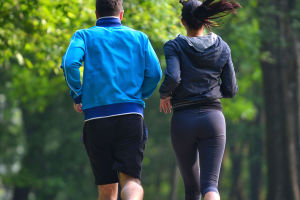
An Ironman Triathlon is one of the most challenging endurance races in the world, combining swimming, cycling, and running in one continuous event. Distances include a 3.8 km swim, 180 km bike ride, and a 42.2 km marathon run.
Half-Ironman events also exist, but the full Ironman is considered the ultimate test of both physical and mental stamina.
For us, understanding these distances and the continuous effort required is the first step toward preparing effectively.
Who Can Participate?
While professional triathletes compete at the top level, the majority of participants are amateurs who enjoy pushing their limits. Events are organized by age groups, so we can measure our readiness by marathon performance and cycling experience.
Completing shorter triathlons, such as Olympic distance or half-Ironman events, is a great way to gain confidence. For the full Ironman, it’s recommended that we can run a marathon in around 3.5 hours and have strong cycling endurance to handle the 180 km ride.
Registration and Planning
Registration is done through official Ironman websites. Spots are limited, so early registration is key. We also need to plan travel, accommodations, and logistics carefully, especially if the race is in a different country. Checking the official website for each event ensures we know all deadlines, cutoff times, and equipment requirements. Planning the entire race day, including transition zones and nutrition stops, gives us a smoother experience on race day.
Training Phases
Training for an Ironman takes several months and is divided into three main phases:
1. Base adaptation – building endurance gradually in swimming, cycling, and running.
2. High-intensity – increasing distance, speed, and strength, including brick sessions (cycling followed immediately by running).
3. Pre-race tapering – reducing training volume while keeping intensity to allow full recovery before the race.
At the peak phase, we should aim for 10–15 hours per week. Gradually increasing long sessions for each discipline ensures we can handle the continuous effort on race day.
Swimming Preparation
Swimming is often the most intimidating part of Ironman. Wearing a triathlon wetsuit improves buoyancy and speed, but it must match the water temperature rules. Swim caps and goggles are essential, and applying anti-fog treatment beforehand makes the experience much more comfortable.
Some races provide mandatory caps, but we can layer our own underneath for comfort. Practicing open-water swimming, sighting, and drafting during training helps us stay calm and efficient in the swim leg.
Cycling Gear and Tips
For the bike leg, choosing between a standard road bike or a TT (time trial) bike depends on our comfort, skill, and budget. Clip-in shoes improve pedaling efficiency and are highly recommended for long distances. We should carry water bottles and energy gels, dress appropriately for the weather, and plan nutrition carefully.
A proper bike fit is crucial to prevent injuries and maximize comfort over 180 km. Riding in groups during training also helps us practice pacing and handling crowded conditions.
Running Strategy
Running a marathon after swimming and cycling is extremely demanding. We need a clear pacing plan and frequent electrolyte intake. Lightweight towel socks help prevent blisters when changing from cycling shoes. Hats, sunglasses, and cooling towels protect us from the sun and heat.
Carrying energy gels and race numbers with a waist belt keeps us organized. Practicing “run off the bike” sessions during training makes this transition less shocking on race day.
Race Day Adjustments
Weather and sea conditions may require modifications. Sometimes the swim leg is canceled due to rough water, leaving only cycling and running. Flexibility is key. We should practice dealing with sudden changes during training, so we remain confident and calm when unexpected situations arise.
Final Preparation and Mindset
Attending the technical briefing is crucial. It ensures we understand the rules, transitions, and cutoff times. Mental preparation is as important as physical. Focusing on pacing, hydration, and nutrition while staying positive helps us endure long hours. Visualization and practicing transitions in training can reduce race-day stress and make the experience more enjoyable.
Crossing the Finish Line
Ironman is challenging, but with careful preparation, proper gear, and a strong mindset, we can cross the finish line successfully. Lykkers, taking small steps, respecting the process, and preparing for every detail will make our Ironman experience memorable. Let’s embrace the challenge and celebrate our achievement together!