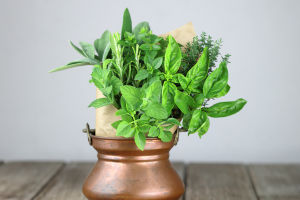
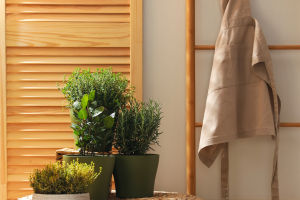
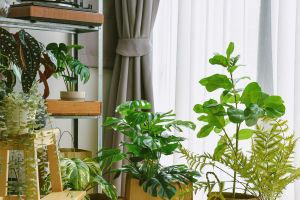
A quiet corner by the window can transform with just a few pots of greenery. The slow unfurling of leaves and the gentle growth of stems create a small daily miracle.
Growing indoor plants isn't just decoration—it's a way to connect with nature, improve the air around you, and create a sense of calm that fills a home.
Choosing the Right Plants
Light requirements
Maintenance level
Space considerations
Not every plant thrives in every indoor spot. Before picking a plant, notice how much sunlight each area receives. South-facing windows usually provide strong light, while north-facing spots are better for low-light tolerant species.
For beginners, start with plants that are forgiving and resilient. Snake plants, pothos, and ZZ plants handle occasional neglect and low-light areas while still looking fresh.
Try this approach:
1. Observe a few potential spots over a day to see how sunlight shifts.
2. Choose one plant suited for each area rather than crowding a single spot.
3. Consider height and width to make sure the plant has room to grow without touching walls or furniture.
This careful matching makes it easier for your plants to thrive from the start.
Potting and Soil Essentials
Drainage first
Quality soil
Right container size
A well-draining container prevents water from pooling around roots, which can cause rot. Small holes at the bottom are essential, and placing a saucer underneath catches excess moisture.
The soil itself should match the plant type. Succulents need sandy, fast-draining mixes, while tropical plants prefer soil that retains some moisture but still allows air to reach the roots.
Step-by-step potting:
1. Place a layer of small stones or gravel at the bottom for extra drainage.
2. Fill the container with soil up to about one inch below the rim.
3. Set the plant in place, then gently fill around the roots and pat lightly to secure.
Choosing the right container and soil ensures a strong foundation for long-term growth.
Watering Wisely
Check before watering
Consistency matters
Seasonal adjustments
Overwatering is one of the most common indoor plant mistakes. Instead of following a strict schedule, check the soil with your finger. If the top inch feels dry, it's time to water.
Consistency helps roots develop properly. Plants in active growth seasons usually need more water, while dormant periods require less.
A simple routine:
1. Water slowly until you see moisture drain into the saucer.
2. Avoid letting plants sit in standing water for long periods.
3. Observe leaf condition—drooping or yellowing can indicate too much or too little water.
Learning your plant's rhythm creates a healthier, more resilient green friend.
Light and Placement
Maximize natural light
Rotate regularly
Supplement if needed
Plants grow toward the light, so rotating them every few weeks encourages even growth. If natural sunlight is limited, consider a small LED grow light to provide extra energy.
Try this placement method:
1. Position sun-loving plants near bright windows, but avoid harsh midday glare on delicate leaves.
2. Rotate the planter 90 degrees every two weeks to prevent leaning.
3. For low-light species, choose corners or shelves with indirect light, supplementing only when growth slows.
Adjusting light carefully ensures stronger stems, fuller leaves, and less stress on your plants.
Feeding and Care
Periodic fertilizing
Trimming and pruning
Pest monitoring
Plants need occasional nutrients to keep growing, especially in pots where soil depletes quickly. Use a balanced, water-soluble fertilizer every few weeks during the growing season.
Removing dead leaves and trimming overgrown branches helps maintain shape and encourages new growth. Check leaves regularly for signs of pests like small webs, holes, or sticky residue.
A practical care routine:
1. Fertilize according to package instructions during spring and summer.
2. Trim yellow or damaged leaves to redirect energy.
3. Wipe leaves with a damp cloth to keep surfaces clean and pests visible.
Regular attention prevents problems before they become serious.
Growing indoor plants is more than a hobby—it's a way to invite calm, color, and life into everyday spaces. Each new leaf or sprout is a quiet reward for patience and care. Over time, your home transforms into a living environment where the small rhythms of nature bring subtle joy every day, turning ordinary corners into flourishing green havens.