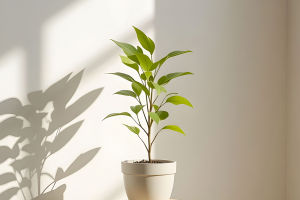
Walking into a living room filled with a splash of green can instantly lift your mood. Even a single plant on a shelf or side table can make a room feel alive, cozy, and intentional.
But knowing which plants to pick and where to place them can be tricky. Let's explore how potted plants can enhance your home decor while also fitting your lifestyle.
Choosing the Right Plant for the Space
Not all plants thrive in every corner of your home. Light, humidity, and temperature play a big role in their health.
1. Assess the light – South-facing windows give bright, direct light, perfect for succulents or herbs. North-facing rooms are better suited for plants that tolerate low light, like snake plants or peace lilies.
2. Consider maintenance – If you travel often or forget to water, pick plants that require minimal care, such as ZZ plants or pothos.
3. Match plant size with space – Large leafy plants like fiddle leaf figs work well in open corners, while smaller cacti or ferns can brighten desks, shelves, and nightstands.
Example: Placing a medium-size monstera near a sunlit living room corner creates a focal point while being low-maintenance.
Pick Pots That Compliment Your Interior
The container itself can be as stylish as the plant it holds.
1. Match materials to decor – Ceramic or terracotta pots suit rustic or Mediterranean interiors, while sleek metal or concrete containers work for modern spaces.
2. Color coordination – Neutral pots blend seamlessly with most furniture, while colorful pots can add a playful accent to muted rooms.
3. Layer heights and textures – Using varying container heights and finishes adds depth and visual interest.
Example: A trio of small mint-green pots on a wooden console creates a refreshing look in a minimalist living room.
Placement Strategies for Visual Appeal
Where you position plants affects both aesthetics and plant health.
1. Create vertical interest – Use hanging planters or tall plant stands to draw the eye upward and make the room feel larger.
2. Anchor corners – Placing a tall leafy plant in an empty corner adds weight and balance to the room.
3. Use grouping – Cluster a few small plants together on shelves or tables to form a mini indoor garden and make a stronger visual impact.
Example: A grouping of ferns and trailing ivy on a floating shelf near a window brightens the space while benefiting from indirect sunlight.
Enhance Mood and Comfort
Plants don't just look good—they influence the feel of a room.
1. Introduce calming greenery – Lavender, rosemary, or aloe vera can contribute gentle scents and soothing energy.
2. Improve air quality – Plants like spider plants or pothos can help filter indoor air, making your environment feel fresher.
3. Encourage interaction – Touching, watering, or pruning plants creates a sense of care and routine that positively impacts well-being.
Example: A small lavender container on a bedside table can provide a calming aroma before sleep while doubling as decor.
Maintenance Tips for Longevity
Even the most beautiful plant will lose its appeal without proper care.
1. Water appropriately – Overwatering is a common mistake; check soil moisture before adding water.
2. Prune and rotate – Trim dead leaves and rotate the container occasionally to ensure even growth and sunlight exposure.
3. Fertilize occasionally – Use a balanced indoor plant fertilizer to keep your greenery healthy, especially during active growth seasons.
Example: Rotating a spider plant weekly ensures all sides receive adequate light and maintains its bushy, attractive appearance.
Adding potted plants to your home doesn't just decorate—it transforms. With the right selection, thoughtful placement, and consistent care, your living space becomes fresher, cozier, and visually enriched. Even a few small adjustments, like a hanging ivy or a tabletop fern, can turn everyday spaces into lively corners of nature, bringing balance and joy into your daily life.