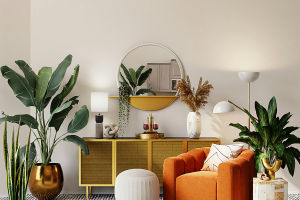
Have you ever walked into a space that looked perfect in photos but felt flat in person? Maybe the walls were crisp white, the furniture was stylish, yet something was missing.
That “something” is often texture. In interior design, texture isn't just about how things look—it's about how they feel, both to the touch and to the eye. Without it, a room risks feeling lifeless. With it, the same room can suddenly feel warm, layered, and welcoming.
Why Texture Matters More Than You Think
Color grabs attention quickly, but texture holds it. Imagine a velvet sofa against smooth leather, or a rough jute rug beneath a polished glass table. These contrasts create depth that makes you want to linger in a space. Texture also sets the emotional tone: soft textiles calm you, while sleek surfaces energize you. Think of it as the secret ingredient that makes a design feel complete.
1. Layering Different Materials
The easiest way to add texture is by mixing materials. A wooden coffee table beside a metal lamp instantly introduces contrast. Add a woven basket, and you've built a trio of tactile experiences. Layering isn't about cramming every texture into one corner—it's about combining a few thoughtfully. For instance, a linen sofa, a wool throw, and a ceramic vase can balance each other without overwhelming the eye.
2. Balancing Rough and Smooth
Too much of one texture makes a room feel one-note. A space filled only with glossy finishes might look cold, while a room full of rustic surfaces could feel heavy. Balance is key. If your walls are smooth and painted, introduce a woven rug or raw wood accents. If your furniture is chunky and tactile, balance it with sleek lighting or smooth countertops. This push and pull is what creates harmony.
3. Using Textiles to Soften Hard Surfaces
Most homes have plenty of hard materials—wood floors, stone counters, metal fixtures. Textiles bring the softness that keeps a room from feeling stark. Curtains, cushions, and rugs all add warmth and absorb sound. Picture a bare living room with only a sofa and coffee table: now add a thick rug, a knitted throw, and a couple of linen cushions. The space instantly feels more inviting, without changing a single piece of furniture.
4. Playing With Scale and Pattern
Texture isn’t just about touch; it's also about how surfaces play with light and shadow. A large herringbone pattern in wood flooring has a different impact than a fine linen weave. Use scale to your advantage: big textures make a bold statement, while smaller ones provide subtle rhythm. Pairing them ensures the room feels dynamic. For example, a chunky knit blanket can sit happily beside a finely woven chair fabric.
5. Highlighting Architectural Features
Texture doesn't always come from furniture or decor—it can come from the room itself. Exposed brick, stone fireplaces, or wood beams add instant character. Even if your home doesn't have these features, you can create texture with wall treatments. Think beadboard, paneling, or even textured paint finishes. These elements turn flat walls into design features without adding clutter.
6. Bringing Nature Indoors
Natural materials almost always introduce appealing texture. A plant in a clay planter, a sisal rug, or a rattan chair brings in organic roughness that contrasts with manmade smoothness. Greenery also introduces visual texture—leaves have patterns, veins, and movement that make a room feel alive. Even a single plant on a windowsill can enhance a room’s mood.
Texture is what makes a house feel like a home. It's not about adding more things, but about choosing materials that complement each other and balance the mood. Next time you step into your living room, run your hand across the surfaces. Do they all feel the same, or is there variety that makes the space richer? A thoughtful mix of smooth, soft, and rough textures might be the missing piece that turns your rooms from flat to unforgettable.