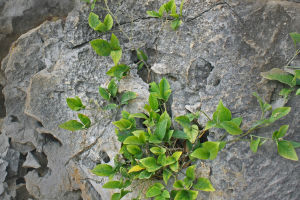
Stepping into a rocky garden patch or a patch of sandy soil, you might notice a few stubborn plants clinging on, green and vibrant despite tough conditions.
It's impressive how plants can adapt to places where most would wither.
Understanding these survival strategies can teach gardeners and nature enthusiasts how resilience works in the plant world—and maybe inspire ways to care for challenging gardens.
Deep and Extensive Root Systems
Some plants survive in poor soil by reaching deeper layers where moisture and nutrients are more stable.
Root reach: Plants like mesquite trees and certain succulents develop long taproots that extend several meters underground. This allows them to access hidden water reserves.
Soil access: Roots often grow outward as well, covering more area to absorb scarce nutrients. Dandelions, for instance, spread wide roots to collect minerals efficiently.
Practical tip: When planting in low-nutrient soil, choose species known for deep or wide root systems—they're naturally equipped to handle scarcity.
Symbiotic Relationships with Microorganisms
Plants often rely on friendly microbes to survive tough soil conditions. Mycorrhizal fungi and nitrogen-fixing bacteria form partnerships that improve nutrient absorption.
Fungal networks: Mycorrhizal fungi attach to roots, expanding the area from which plants can extract minerals like phosphorus. Orchids and legumes commonly use these networks.
Nitrogen fixation: Leguminous plants host bacteria that convert atmospheric nitrogen into a usable form, helping them grow in soil with low fertility.
Practical tip: Encourage healthy soil microbiomes by adding organic mulch or compost. Even minimal organic matter can support these beneficial organisms and improve plant survival.
Water Conservation Adaptations
In poor soil, water often drains quickly or is limited, so plants develop strategies to reduce loss.
Leaf modifications: Some plants, like cacti or certain grasses, have thick, waxy leaves or needles that minimize evaporation.
Dormancy periods: Desert perennials and bulbs can enter a resting state during dry spells, conserving energy and water.
Practical tip: Mulching around plants reduces surface evaporation, helping even moderately hardy species thrive in less fertile soil.
Slow Growth and Resource Efficiency
Plants in nutrient-poor soil often grow slower, investing resources carefully to survive rather than expand rapidly.
Energy allocation: Shrubs like lavender or sage produce fewer leaves but maintain stronger roots and stems.
Seasonal timing: Growth may occur primarily during wet or mild periods, with dormancy in harsher conditions.
Practical tip: Avoid over-fertilizing slow-growing plants in poor soil—it can disrupt natural growth patterns and stress the plant.
Reproductive Strategies in Challenging Conditions
Plants in tough soil also adjust reproduction to ensure survival over generations.
Seed dispersal: Lightweight seeds that travel by wind or water increase the chances of finding slightly better soil elsewhere. Milkweed and sunflower seeds demonstrate this tactic.
Resilient offspring: Some plants produce seeds that remain dormant until conditions improve, like desert annuals waiting for rain.
Practical tip: Allow plants to set seeds naturally in low-fertility areas; this encourages self-sustaining populations and reduces the need for constant intervention.
Nature shows us that poor soil doesn't mean poor survival. Plants deploy clever strategies—root adaptations, microbial partnerships, water-saving features, careful growth, and smart reproduction—to overcome harsh conditions. By observing and supporting these strategies, gardeners can cultivate vibrant plant life even where nutrients are scarce, turning seemingly barren soil into thriving greenery.