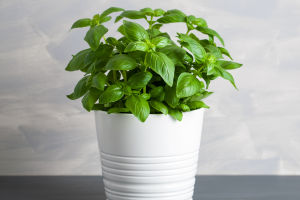
Houseplants depend on you for absolutely everything — every drop of water, every bit of light, every nutrient they'll ever get.
That's the key difference between indoor and outdoor gardening that trips up even experienced gardeners. Outside, a plant can tap into the soil, find its own water, and follow the sun.
Inside, it's entirely on you. Once you understand that, the basics of houseplant care start to make a lot more sense.
Start With the Right Soil
The foundation of any healthy houseplant is a strong root system, and that starts with the soil. Most plants do fine in a standard indoor potting mix, but the mix matters more than people think. Cacti and succulents need a fast-draining blend that mimics their dry native soil, while most tropical varieties prefer a mix that holds a bit more moisture but still drains well. If you want to keep it simple with one bag of potting mix, you can customize it: add perlite for faster drainage, or orchid bark to improve airflow around roots. The key is that roots need both moisture and oxygen — a waterlogged mix deprives them of the latter and leads straight to rot.
Water Deeply, Not Often
Overwatering is the single most common cause of houseplant death, and it's usually not about frequency — it's about technique. The right move is to stick your finger an inch or two into the soil. Dry? Water the plant thoroughly until water flows out of the drainage hole. Still damp? Wait a day or two. Always use room-temperature water; water that's too cold or too warm can shock the roots. If your tap water is heavily chlorinated, let it sit uncovered for a day before using it. And never let a container sit in standing water — empty the saucer within 30 minutes of watering.
Light Is Not One-Size-Fits-All
When you buy a new plant, the care tag usually specifies the light it needs — pay attention to it. Plants that prefer bright direct light (most cacti, succulents, and aloe) want a south-facing window with full sun exposure. Those that prefer bright indirect light do well near east- or west-facing windows, away from the direct beam. Low-light plants like snake plant or ZZ plant can survive in dimmer spots. How do you know if the lighting is off? If leaves start losing color or developing dry brown edges, the plant is getting too much direct light. If growth slows dramatically or the plant starts reaching and leaning toward a window, it needs more. Rotating your plants every couple of weeks ensures even growth on all sides.
Fertilizing: Less Is Actually More
Every time you water, some nutrients wash out of the soil. Fertilizing replaces them — but the timing matters as much as the product. Feed your plants during spring and summer, when they're actively growing. Stop fertilizing in late fall and winter, when most houseplants slow down to a semi-dormant state. Applying fertilizer during dormancy is like pushing food on someone who's trying to sleep — it doesn't help and can actually cause harm by building up excess salts in the soil that burn roots. When in doubt, dilute liquid fertilizer to half strength rather than the full recommended dose.
Repotting: When and How
A plant that's outgrown its container starts showing telltale signs: roots poking out of drainage holes, or water running straight through the container without saturating the soil. The best time to repot is spring or summer, when roots are actively growing and will adapt faster to new space. Choose a new container that's no more than two inches larger in diameter than the current one. Going too large means extra soil that stays wet too long, raising the risk of root rot. If the roots have been circling the inside of the old container, make shallow vertical cuts on the sides of the rootball to encourage new growth outward.
Humidity, Temperature, and Pests
Most common houseplants came from tropical regions where humidity runs high. In the average heated or air-conditioned home, the air is much drier than they'd prefer. Grouping plants together, placing them on trays of pebbles with water, or running a humidifier nearby all help. Keep plants away from heating and cooling vents, which create hot or cold drafts that stress them. And keep an eye out for pests — aphids, mealybugs, spider mites, and whiteflies can all show up on indoor plants. Check the undersides of leaves regularly. The sooner you catch an infestation, the easier it is to deal with.