Welcome, Lykkers! The living room is more than just a space filled with sofas and decorations. It is the heart of the home—the first corner guests notice and the place where family members gather after long, exhausting days.
A thoughtfully arranged living room can instantly create warmth, comfort, and a welcoming atmosphere without needing expensive renovations. The secret lies in balancing color, lighting, furniture, and personal touches in a way that feels harmonious and natural.
Create a Calm Atmosphere with Soft and Balanced Colors
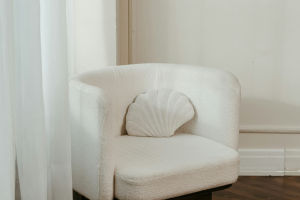
Color is one of the strongest elements in interior design because it directly influences mood and visual perception. Soft neutral tones such as warm white, ivory, sand beige, light taupe, or pale gray help a living room feel airy and spacious. These shades reflect light more effectively, making even compact spaces appear open and uncluttered.
To prevent the room from feeling flat or overly sterile, combine neutrals with subtle accent colors. Sage green cushions, dusty pink throws, terracotta ornaments, or muted blue artwork can add personality without overwhelming the room. Instead of painting every wall with bold colors, consider using textured décor or layered fabrics to create depth and warmth.
Maximize Natural Light for a Fresher Interior
Natural sunlight instantly changes the energy of a room. A bright living room feels cleaner, healthier, and more inviting compared to a dim space that relies solely on artificial lighting. Open windows regularly during the day to allow fresh air circulation and sunlight to enter naturally.
Thin linen curtains or sheer drapes are excellent choices because they soften incoming light without blocking it completely. This creates a gentle glow that makes the room feel warm and comfortable throughout the day. Position mirrors strategically across from windows to bounce light throughout the room. This simple technique brightens darker corners and creates the illusion of a larger area. If privacy is a concern, layered curtains combining sheer fabrics with heavier drapes provide flexibility while maintaining elegance.
Introduce Greenery to Bring Life into the Space
Indoor plants do much more than decorate a room. They introduce texture, freshness, and a calming natural element that softens rigid furniture lines. Certain plants also help improve air quality and create a more relaxing environment.
For low-maintenance options, snake plants and ZZ plants are highly practical because they thrive with minimal care. Peace lilies offer elegant white blooms and adapt well to indoor conditions, while monstera plants create a tropical, modern appearance with their iconic split leaves. Placement matters just as much as the plants themselves. Tall plants work beautifully in empty corners, hanging plants soften vertical spaces, and smaller pots add charm to coffee tables or shelves. Using woven baskets, ceramic pots, or textured planters can also enhance the overall design aesthetic.
Select Furniture That Fits the Room Properly
One of the most common mistakes in living room design is using oversized furniture in limited spaces. A large sofa may look luxurious in a showroom but can quickly dominate a smaller room and reduce comfort. Choose furniture that complements the room’s dimensions rather than overpowering it. Slim-profile sofas, open-leg coffee tables, and multifunctional furniture pieces help maintain visual openness.
Use Mirrors to Expand Visual Space
Mirrors are a classic interior design trick because they visually enlarge a room while enhancing brightness. A large framed mirror placed on a central wall can become both a decorative statement and a functional design feature. For smaller living rooms, vertical mirrors help create the illusion of height, while wide horizontal mirrors visually stretch the space. Glass surfaces such as acrylic tables or reflective décor also contribute to a lighter and less crowded appearance.
Add Decorative Layers for Personality and Warmth
A beautiful living room often feels “complete” because of its smaller details. Decorative layers create visual richness and make the space feel lived-in rather than staged. Soft cushions in different textures, patterned rugs, framed artwork, scented candles, ceramic vases, or books displayed neatly on shelves can transform a plain room into a welcoming retreat. Mixing materials such as wood, linen, metal, and glass creates contrast and depth without appearing excessive.
Combine Different Lighting Sources
Relying only on a ceiling lamp can make a living room feel flat and overly formal. Layered lighting creates atmosphere and allows the room to adapt to different activities throughout the day. Warm table lamps near seating areas create a cozy evening ambiance, while floor lamps add dimension and soften darker corners. Wall sconces or hidden LED strips can highlight artwork or architectural details for a more refined appearance.
Keep Storage Functional Yet Attractive
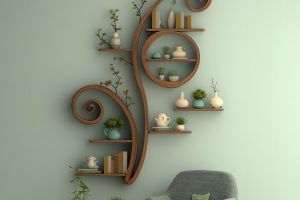
A cluttered living room instantly reduces comfort, regardless of how expensive the furniture may be. Smart storage solutions help maintain cleanliness while preserving the room’s visual appeal. Floating shelves create display areas without taking up floor space, while compact cabinets hide everyday items neatly. Decorative baskets, storage benches, and modular shelving systems are especially practical for smaller homes because they combine style with functionality.
Lykkers, creating a comfortable and fresh living room does not always require expensive renovations or luxury furniture. Now take a look around your own living room. Which corner could use a little refresh today? Sometimes, even the smallest change—a new plant, softer lighting, or a cleaner arrangement—can completely transform how a space feels.