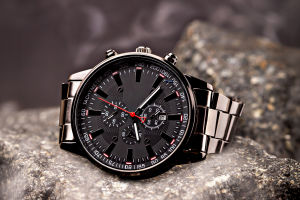
Few debates in the watch world generate as much discussion as the comparison between smartwatches and mechanical watches.
On one side is a device packed with technology that delivers notifications, tracks activity, and provides information throughout the day. On the other is a piece of precision engineering powered entirely by mechanical components. Both tell time. Both sit on your wrist. That is largely where the similarities end.
What Smartwatches Bring to the Table
Smartwatches offer a level of functionality that traditional mechanical watches cannot match. They display notifications, handle calls, send messages, track heart rate, monitor sleep, count steps, and provide navigation directly from the wrist.
For individuals balancing a busy schedule, fitness goals, and constant connectivity, these features can be highly valuable. Customizable watch faces and interchangeable bands allow users to adapt the watch to different settings and occasions, while regular software updates help maintain a modern user experience.
The trade-off is that most smartwatches require regular charging, which may be inconvenient for some users. Because technology evolves rapidly, devices can also feel outdated after several years. In addition, many advanced features depend on connectivity with a smartphone.
What Mechanical Watches Offer
Mechanical watches occupy a very different category. Built from precisely engineered gears, springs, and levers, they operate without a battery and represent a long-standing tradition of watchmaking craftsmanship.
One of their greatest strengths is longevity. With proper care and regular servicing, a mechanical watch can remain functional for decades and may even be passed down through generations.
Mechanical watches also possess a timeless aesthetic appeal. Their intricate construction, attention to detail, and enduring design make them suitable for professional environments, formal occasions, and everyday wear for those who appreciate traditional craftsmanship.
Some mechanical watches may retain their value well over time, particularly when properly maintained. However, long-term value retention varies considerably depending on factors such as demand, rarity, condition, and market trends.
The limitations are equally important to consider. Mechanical watches generally require periodic professional servicing, can involve a higher initial cost, and typically offer fewer functions beyond timekeeping and calendar-related features.
Which One Suits Your Lifestyle?
The right choice depends on how you live and what you expect from a watch.
If convenience, health tracking, connectivity, and digital functionality are your priorities, a smartwatch is likely the more practical option. Its ability to integrate with modern technology makes it a useful companion for daily life.
If you value craftsmanship, mechanical engineering, and long-term ownership, a mechanical watch may be the better fit. Its appeal lies not in the number of features it offers but in the quality, heritage, and character of its design.
Neither option is inherently superior. Each serves a different purpose and appeals to different preferences.
Why Some People Choose Both
For many watch enthusiasts, the most practical solution is not choosing one over the other but owning both.
A smartwatch can handle everyday tasks such as activity tracking, navigation, and communication throughout a busy week. A mechanical watch can be reserved for occasions that call for a more traditional and refined accessory.
Because they fulfill different roles, the two can complement one another rather than compete directly.
The decision between a smartwatch and a mechanical watch is ultimately less about determining which is better and more about identifying which aligns best with your lifestyle, priorities, and personal preferences.
Smartwatches excel in functionality, connectivity, and convenience, while mechanical watches stand out for their craftsmanship, longevity, and timeless appeal. By understanding the strengths of each, you can make a confident choice that suits both your daily needs and your personal sense of style.