A living room is more than just a place to sit. It is where people relax, gather, and spend meaningful time together.
Creating a stylish and welcoming modern living room does not always require a large budget. Thoughtful design decisions, balanced proportions, quality materials, and comfortable furnishings can transform an ordinary room into one that feels elegant, functional, and inviting.
Quality Creates More Impact Than Quantity
One of the most common misconceptions in home design is the belief that filling a room with more furniture or decorative items automatically makes it look better. In reality, an overcrowded space often feels chaotic and visually exhausting. Modern interiors often take the opposite approach. Instead of displaying numerous pieces competing for attention, they focus on a smaller collection of carefully selected furnishings.
Each item serves a purpose, whether practical, visual, or both. This strategy allows important features to stand out. A well-crafted sofa, an elegant coffee table, or a striking armchair becomes a focal point rather than getting lost among unnecessary clutter. The result is a room that feels intentional rather than accidental.
Proper Scale Changes Everything
Even beautiful furniture can look out of place when its size does not match the room. Scale is one of the most overlooked elements in interior design, yet it has a major influence on how refined a space feels. A large sectional squeezed into a compact room can make movement difficult and create visual heaviness. On the other hand, furniture that is too small may leave the room feeling unfinished and disconnected.
Professional designers often begin by studying proportions. They consider how people move through the room, where natural sightlines fall, and how furniture interacts with surrounding architectural features. When proportions are balanced, the room feels harmonious without drawing attention to the design effort behind it.
Texture Brings Depth That Color Alone Cannot
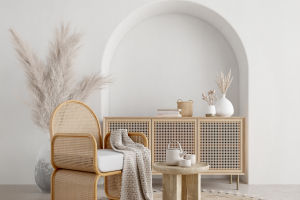
Many homeowners focus heavily on color schemes, but texture often plays an even greater role in creating a sophisticated atmosphere. Consider a room that combines woven fabrics, soft upholstery, natural wood, linen cushions, and subtle metallic accents. Even if the color palette remains neutral, these varied surfaces create visual richness and depth.
Texture appeals to the senses in a way that paint colors cannot. It introduces warmth, softness, and character while preventing the room from feeling flat. This layered effect is commonly found in modern living rooms because it makes a space feel inviting and complete without relying on bold decorative statements.
Timeless Design Outlasts Trends
Social media has made design trends more visible than ever. While trends can provide inspiration, chasing every new style often results in a room that feels outdated within a few years. The most successful modern living rooms combine contemporary style with timeless design principles. Neutral foundations, balanced furniture arrangements, clean lines, and durable materials remain attractive regardless of changing fashions.
This does not mean a room should lack personality. Instead, modern interiors often use smaller accessories, artwork, or textiles to introduce character while keeping larger investments consistent. This approach creates longevity and helps prevent costly redesigns.
Comfort Is Essential in Modern Living Rooms
Many people associate beautiful interiors with appearance, but comfort is often the feature guests remember most. A living room may look stunning in photographs, yet if the seating feels stiff or the layout discourages conversation, the space quickly loses its appeal. In contrast, a room that encourages relaxation leaves a lasting impression.
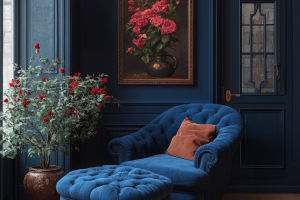
Deep cushions, supportive seating, and practical furniture arrangements contribute significantly to the overall experience. Modern homeowners increasingly recognize that a beautiful room should enhance daily life rather than simply serve as a display area. In many homes, comfort has become a design priority rather than an afterthought. This shift reflects a broader understanding that successful interior design combines both aesthetics and usability.
The Sofa Often Determines the Room's Success
Few pieces influence a living room more than the sofa. As the largest furnishing in most spaces, it naturally attracts attention and helps establish the room's overall identity. The sofa influences color choices, furniture placement, circulation paths, and even the mood of the room.
A worn or poorly chosen sofa can diminish the impact of other design elements, while a thoughtfully selected one can elevate the entire environment. This is why many interior designers begin their projects with seating. Once the sofa is established, other decisions become easier because the room already has a clear visual anchor.
Great Modern Living Rooms Are Designed Around People
Perhaps the most important difference between an ordinary room and an exceptional one is that the best spaces prioritize human experience. Modern design is not merely about creating something attractive to look at. It is about designing an environment where people naturally want to spend time.
Conversation flows more easily, relaxation feels effortless, and everyday activities become more enjoyable. Furniture is arranged to support interaction rather than simply fill empty areas. Lighting contributes to comfort. Materials feel pleasant to touch. Every element works together to serve the people who use the space. When a room achieves this balance, it often appears more refined because it feels complete and thoughtfully considered.
The modern living rooms that leave the strongest impression are not always the ones with the highest price tags. More often, they are spaces where scale, comfort, texture, and quality have been carefully considered. Thoughtful design choices create an atmosphere that feels welcoming, refined, and enduring. By focusing on purposeful furnishings, balanced proportions, and lasting design principles, homeowners can create modern living spaces that remain beautiful, functional, and enjoyable for years to come.