Anime art has come a long way since its early days, evolving not just in terms of storytelling, but also in its visual style. From its humble beginnings to becoming a global phenomenon, anime art styles have undergone remarkable changes over the decades.
In this article, we will explore how anime art styles have evolved, reflecting shifts in technology, culture, and artistic experimentation.
Early Days of Anime: Simplicity and Expression
The roots of anime can be traced back to the early 20th century, with its origins in Japanese animation influenced by Western animation. The first recognizable anime films, like Namakura Gatana (1917), used basic and rudimentary animation techniques. These early works were drawn by hand, often with limited frames per second. The simplicity of the drawings was driven by the technological constraints of the time, with rough lines and minimal shading.
However, even in these early years, the art style carried emotional weight. The focus was on character expression, and the storytelling relied heavily on the movements of the characters, despite the simplicity of the art. Over time, these early cartoons laid the foundation for the art styles that would dominate later decades, inspiring artists to refine and expand upon their visual techniques.
The 1960s-1970s: The Rise of Iconic Art Styles
The 1960s and 1970s marked a pivotal shift in the evolution of anime art. This was the era that gave birth to some of the most iconic anime series and laid the foundation for modern anime. Osamu Tezuka's Astro Boy (1963), often regarded as the first modern anime, introduced a distinctive character design with large, expressive eyes. This iconic feature would become a hallmark of anime and remains a symbol of the art form today.
During this period, animation studios began to adopt a more standardized approach, introducing repetitive movements and simpler designs to reduce production costs. This resulted in a more minimalist style, with characters often sporting big eyes, simplistic faces, and very few intricate details. The overall effect was a more stylized, cartoonish look that was distinct from Western animation.
The 1980s: Explosion of Detail and Expression
In the 1980s, anime experienced a surge in popularity and technological advancements, leading to an explosion in detail and creativity. With the rise of iconic anime films such as Akira (1988), anime art became more sophisticated and technically impressive. The use of more frames per second allowed for smoother animation and more fluid movements, while the introduction of new materials and techniques gave artists greater flexibility in creating detailed backgrounds, more realistic shading, and complex character designs.
Anime during this era also introduced a wider variety of art styles. Studio Ghibli, founded by Hayao Miyazaki and Isao Takahata, became a leader in this artistic revolution. Films like My Neighbor Totoro (1988) and Princess Mononoke (1997) featured lush, detailed landscapes and a much softer, naturalistic color palette compared to the harsher, futuristic tones of Akira. This era brought forward an emphasis on realism and depth, with a more cinematic approach to animation.
The 1990s: The Influence of Digital Technology
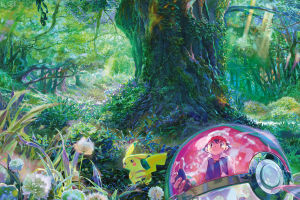
The 1990s were marked by the advent of digital technology in anime production. While traditional hand-drawn animation remained dominant, the introduction of digital tools began to change the landscape. This decade saw the blending of traditional hand-drawn animation with computer-generated imagery (CGI), resulting in more dynamic and immersive visuals.
The anime style during the 1990s continued to evolve with increasingly complex backgrounds and detailed character designs. The rise of series like Neon Genesis Evangelion (1995) showcased a more mature, gritty style, reflecting the darker themes of these shows. The introduction of more complex and realistic visual effects helped create a sense of depth, allowing animators to experiment with lighting and shading like never before.
The 2000s: A New Era of Experimentation and Diversity
The 2000s marked an era of experimentation and stylistic diversity in anime art. With the rise of digital animation and enhanced software tools, anime studios were able to create richer, more varied art styles. This period saw a significant departure from the more uniform, traditional styles of the past.
Series like Fullmetal Alchemist (2003) and Naruto (2002) displayed a wide range of artistic influences, from the bold and dynamic line work to the vibrant color schemes. Meanwhile, The Melancholy of Haruhi Suzumiya (2006) and Lucky Star (2007) showcased a shift towards more simplified and almost minimalist designs, catering to a broader audience.
The 2000s also brought an increasing fusion of Western and Eastern animation styles. The popularity of anime in the West allowed for cross-cultural exchanges, and many artists began incorporating Western influences into their work, blending anime with elements of comic book art and graphic novels.
The 2010s-Present: Hyperrealism and Technology Integration
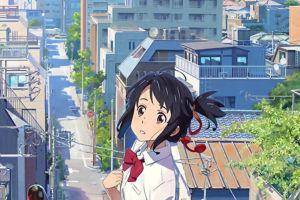
The 2010s marked the peak of anime's integration with cutting-edge technology, resulting in visually stunning and hyper-realistic animation. With tools like CGI, motion capture, and 3D modeling, anime art has become more lifelike than ever before. Series like Attack on Titan (2013) and Demon Slayer (2019) have raised the bar in terms of animation quality, combining breathtaking visuals with immersive storytelling.
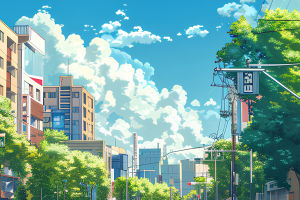
This era has also seen a shift toward hyperrealism, with anime adopting more realistic character designs, particularly in face expressions and movements. The use of CGI has allowed animators to create expansive worlds with intricate details and vivid action sequences. The blending of 2D and 3D techniques creates a dynamic visual experience that was once unimaginable.
Conclusion: The Future of Anime Art
As anime continues to evolve, it will undoubtedly remain a dynamic art form that adapts to technological advancements and cultural shifts. With the rise of virtual reality, augmented reality, and AI-generated animation, it's exciting to think about where anime art styles might go in the future. Whether through new artistic techniques, the blending of genres, or further cross-cultural influence, anime's evolution is far from over.
The transformation of anime art styles is a testament to the creativity and innovation of artists who continue to push the boundaries of animation. From humble beginnings to breathtaking visuals, anime art has evolved, and its journey is far from finished.