A watch does a lot more than tell time. It's one of the few accessories that stays visible through every outfit, every meeting, and every occasion, and over time, people tend to associate you with it.
That's what makes choosing the right watch feel more important than it might seem at first. Once you break the decision down into a few key considerations, however, the process becomes much simpler.
Start With the Type of Watch
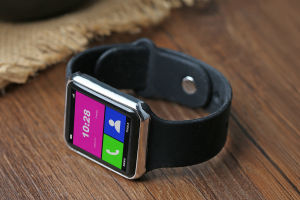
The first question is what kind of watch you actually need. Analog watches offer a classic, elegant look that works across both formal and casual settings. Digital watches feel modern and practical, especially for those who prefer quick access to information. Smartwatches go a step further by providing features such as fitness tracking, notifications, navigation, and connectivity, making them a strong choice for active and technology-focused lifestyles.
From there, the categories become more specialized. Dress watches are designed for formal occasions, casual watches are suited to everyday wear, and sports watches prioritize durability, water resistance, and activity-related features.
Think About the Occasions You're Dressing For
Context plays an important role when choosing a watch. A sleek dress watch with a leather strap and a clean, minimalist dial can create a polished impression in professional or formal environments. A casual watch with a fabric or rubber strap is often more versatile for daily use. If you spend significant time outdoors or participate in physical activities, a sports watch designed for those conditions may be the most practical option.
While it is possible to find a watch that works in multiple situations, identifying the occasions that matter most to you will often make the decision easier.
Design and Aesthetics: Dial, Case, and Strap
Three main elements shape the overall appearance of a watch: the dial, the case, and the strap.
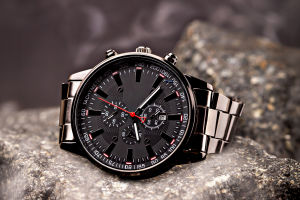
The dial is the most visible feature. A clean, uncluttered design often appears refined and versatile, while a more detailed dial with additional functions can add character and visual interest.
Case size also influences the watch's appearance. Larger cases create a stronger visual presence, while smaller or mid-sized cases offer a more understated look and may feel more comfortable on slimmer wrists.
The strap helps define the overall style. Leather delivers a timeless appearance that pairs well with formal attire, metal bracelets provide a polished and versatile look, and fabric or rubber straps create a more casual or sporty feel.
Movement: What's Running Under the Dial
The movement is the mechanism that powers the watch and influences the ownership experience.
Quartz movements are battery-powered, making them highly accurate, reliable, and low-maintenance. Mechanical movements operate through a hand-wound mainspring and are often appreciated for their craftsmanship and engineering. Automatic movements are a type of mechanical movement that wind themselves through the natural motion of the wearer's wrist, offering a balance between traditional watchmaking and everyday convenience.
Each movement type appeals to different preferences, whether you prioritize precision, craftsmanship, convenience, or a combination of all three.
Quality and Budget
Quality matters because it often reflects the materials, construction, durability, and overall reliability of a watch. Fortunately, well-made watches can be found across a wide range of price points.
The key is to choose a watch that fits both your budget and your lifestyle. Understanding the materials, features, and level of craftsmanship offered at different price ranges can help you make a confident and informed decision. Some high-end watches may retain value well over time, but long-term value depends on factors such as demand, condition, rarity, and market trends.
Choosing the right watch does not have to be overwhelming. Start by understanding how and where you plan to wear it, then consider the design, movement, and features that best align with your preferences and daily routine. The best watch is not necessarily the most expensive or feature-rich—it is the one that feels comfortable, complements your personal style, and remains a piece you enjoy wearing for years to come.